This week I went on a tour led by my sons’ international school. The tour is designed to orient new families to Hanoi.
One of the areas we visited was Chợ Châu Long (chợ, meaning market). Châu Long is a traditional wet market. In 2015-2016, while living in Thailand, we had visited many wet markets throughout Southeast Asia. The wet market is something that westerners are really not familiar with, even maybe a little uncomfortable with (especially with the stories of COVID originating with a bat at a wet market in Wuhan), but wet markets are a pretty big part of life in Asia. They certainly are a huge departure from our American Walmarts or Safeways. Wet markets serve as produce and meat wholesalers to smaller local food marts and restaurants. Wet markets are typically busiest in the middle of the night, before the start of the normal business day.

I really love wet markets. They are really interesting, colorful places that reflect a traditional way of life that is quickly fading away.


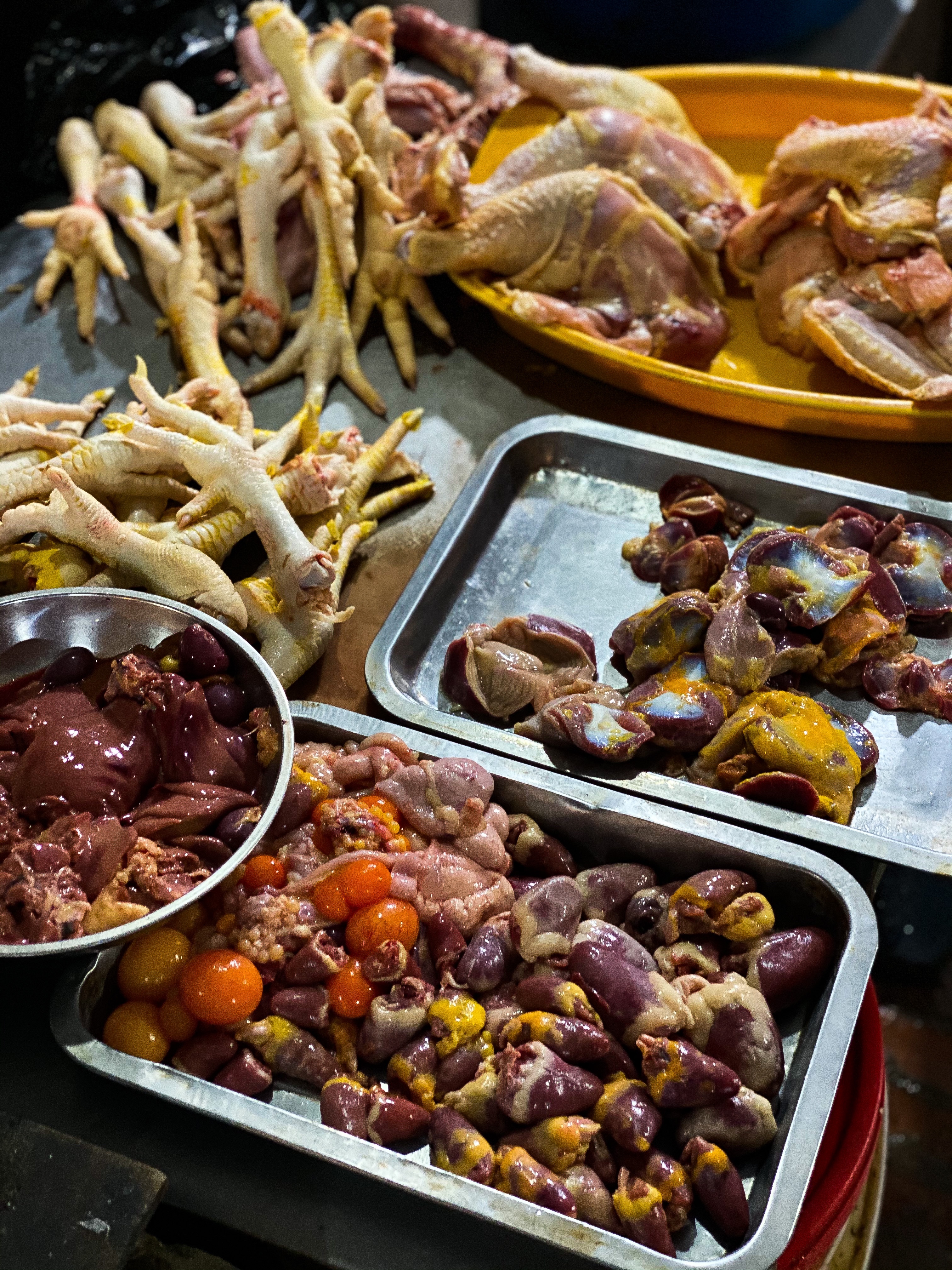
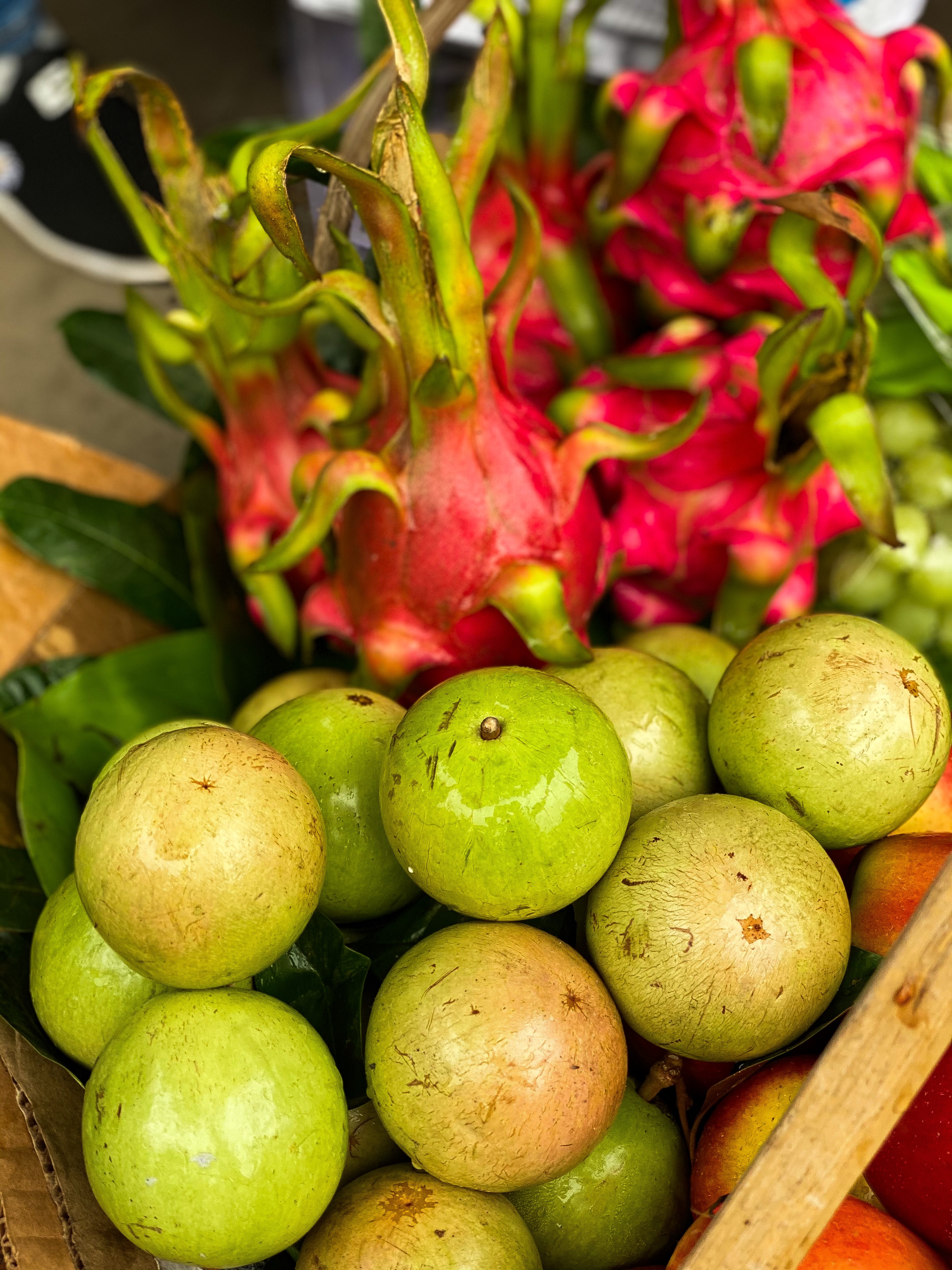
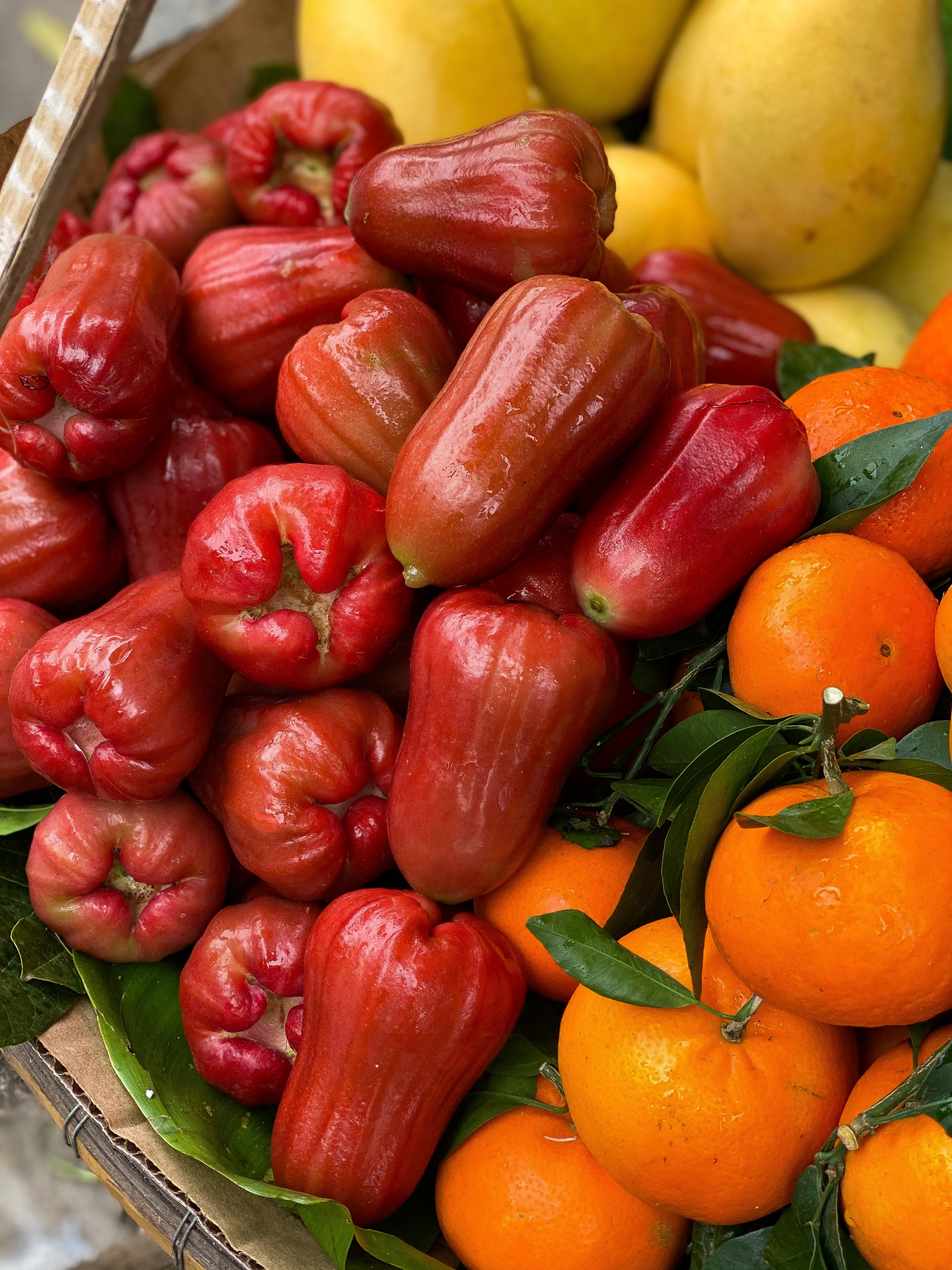
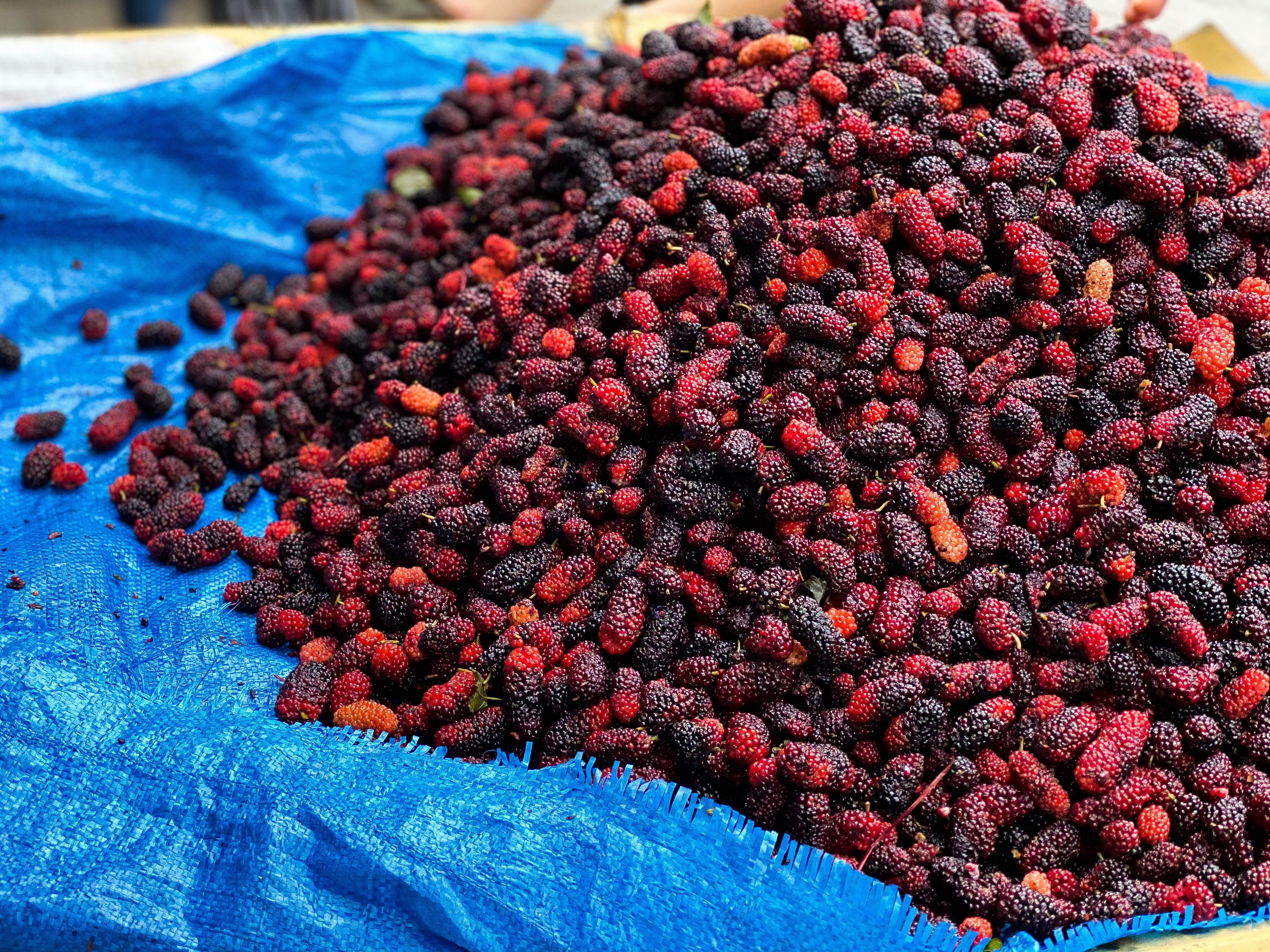


“The Vietnamese government estimates that nationwide there are at least 9,000 so-called ‘wet markets,’ where in addition to farm fresh fruits and vegetables, fish are sold live and meat is butchered every morning. These markets are a feast for the senses, teeming with the scent of coriander, the sound of hawkers bargaining with vendors over a few dong, and the rich taste of a hot bowl of pho.” (See, Meet the Vietnamese Activist Saving Hanoi’s Neigborhood Markets, next city.org, Feb.2020)
I took lots of videos, which probably capture the atmosphere of the market better than photos alone. Note, again, the busiest time for a wet market is late in the evening/early morning, before shops and restaurants have opened. We visited mid-day, and with the country’s borders currently closed to all tourists, it probably wasn’t as busy as it could have been.
Some interesting articles about Châu Long and the decline of wet markets:
https://nextcity.org/daily/entry/meet-the-vietnamese-activist-saving-hanois-neighborhood-markets
 Will Travel with Toddlers