
Wow! Every city in Vietnam has been completely different from the last. Each has its own distinct character and beauty.
If you can’t tell, I am REALLY loving Vietnam.
Our third stop in Vietnam (after Ho Chin Minh and Hoi An) was Hue (also called Hue city).
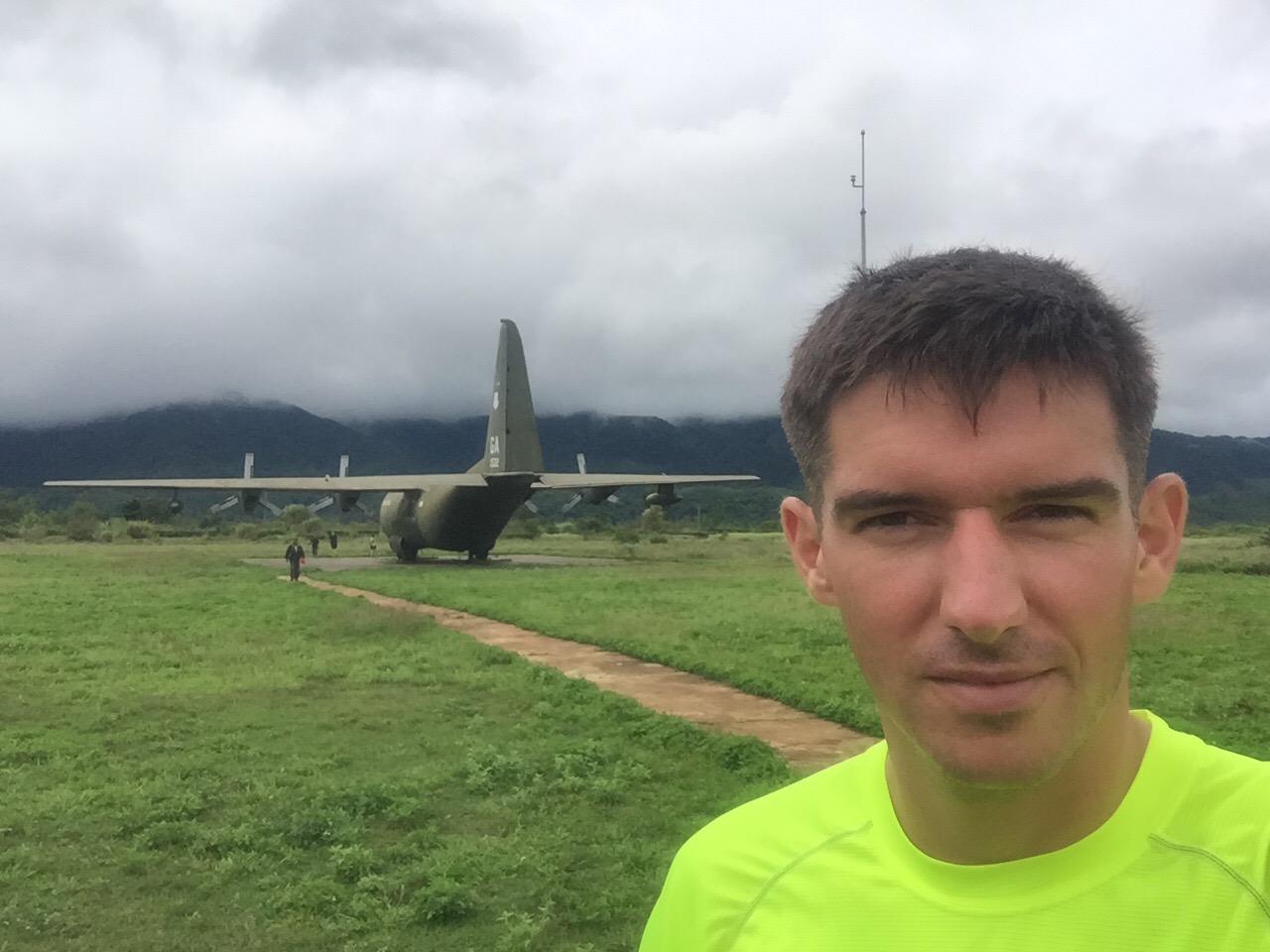
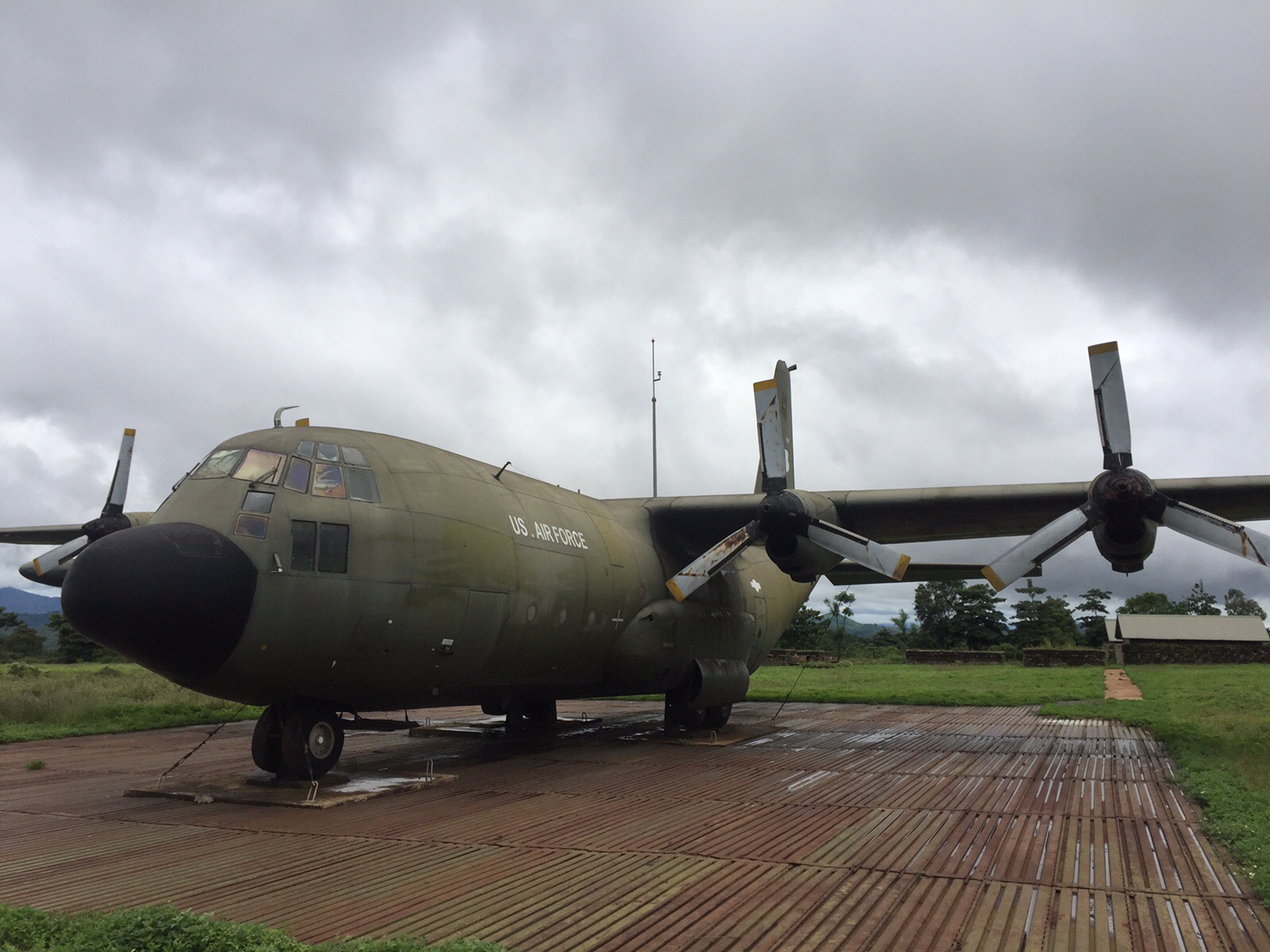
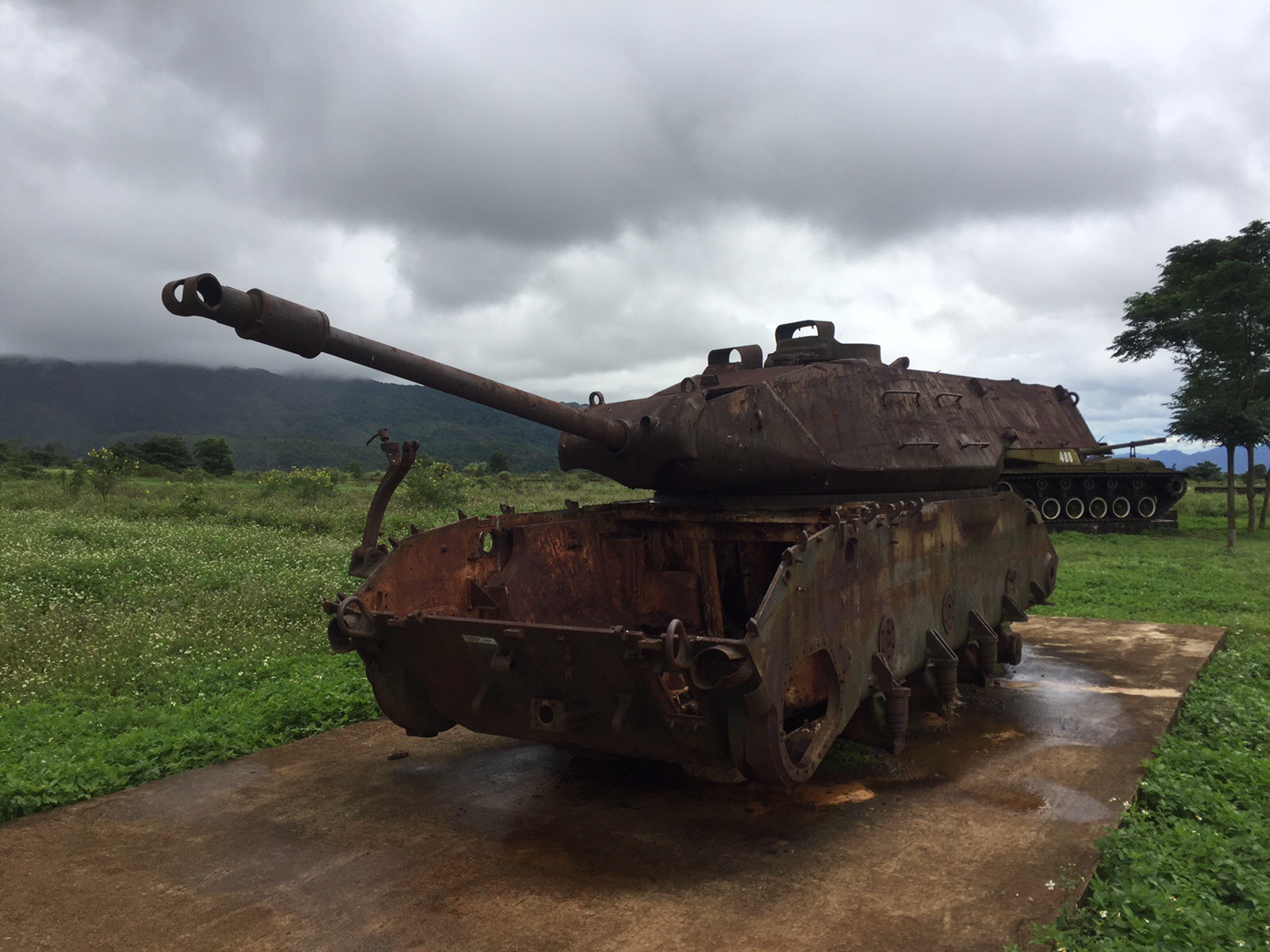
We spent two days in Hue. On the first day Chad toured the DMZ and Khe Sanh Combat Base (former USMC forward base). Khe Sanh was the site of an intense battle between U.S. Marines and the North Vietnamese Army in 1968 during the height of the Vietnam War. It was a protracted, devastaing battle for the Marines; many argue its place in history. Though a battlefield victory for the Marines, it is considered to be a major strategic victory for the North as they were able to mount a major, coordinated, and protracted assault operation against the South and U.S. forces. Khe Sanh was a key location with respect to the Tet Offensive and U.S. strategy. Many felt the Norths efforts at Khe Sanh served to distract the U.S. from other major locations in the South that were more important objectives for the Tet Offensive, while others felt that Tet was rise to allow the capture of Khe Sanh. Regardless, the Marines suffered thousands of casualties defending the base, a base which was ultimately abandoned eight days after the commander of U.S. forces in Vietnam, Gen Westmoreland, was relieved. Chad did this battlefield trip without us because it consisted of a series of long car rides along dangerous narrow, mountain roads. Khe Sanh is at several thousand feet elevation, with perpetual cloud cover that was very prohibitive of air operations.this is especially significant in that the base’s high elevation and isolation caused it’s perpetual inability to maintain ground supply routes, leaving air as the only option to reapply the base.




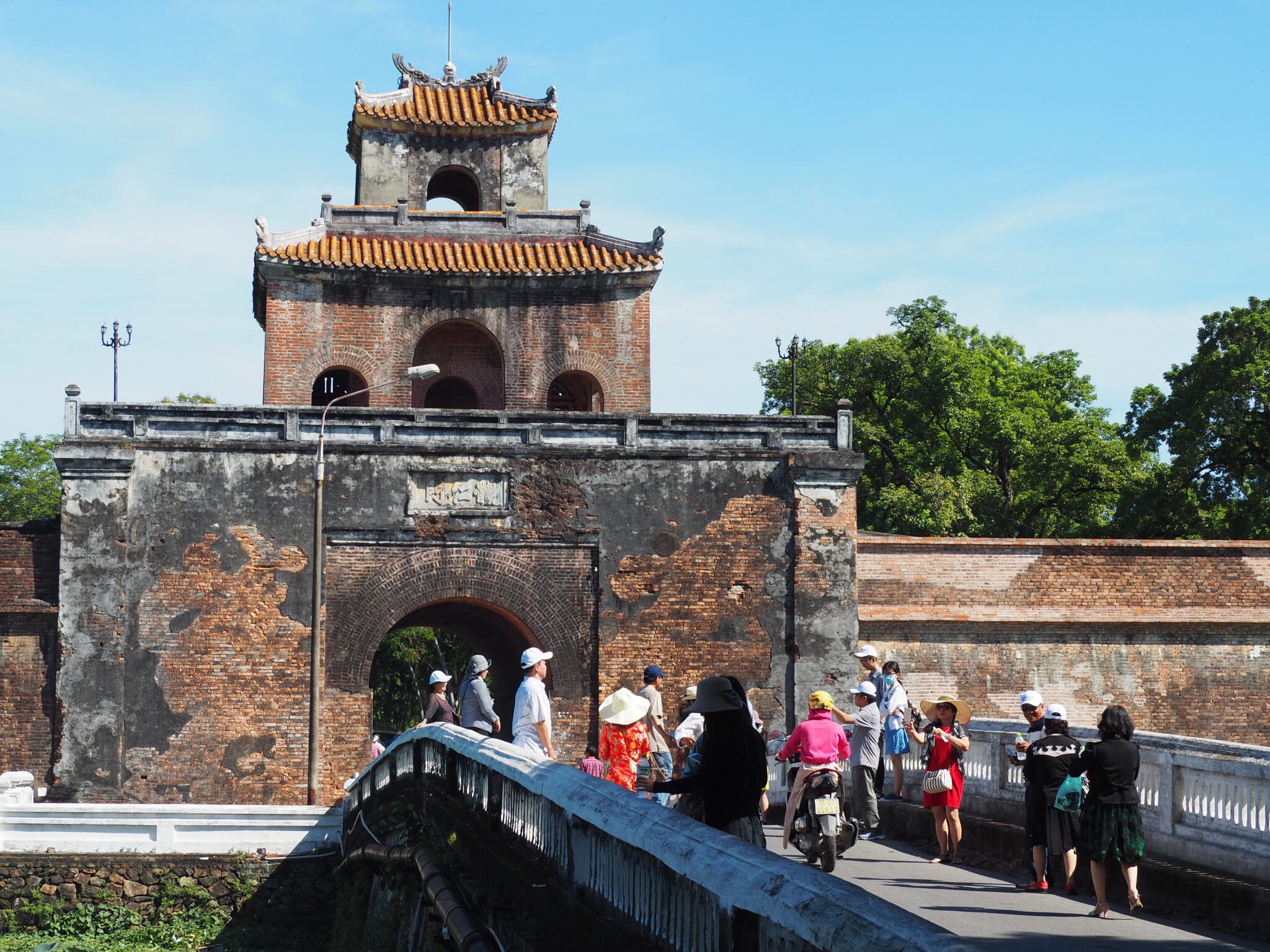
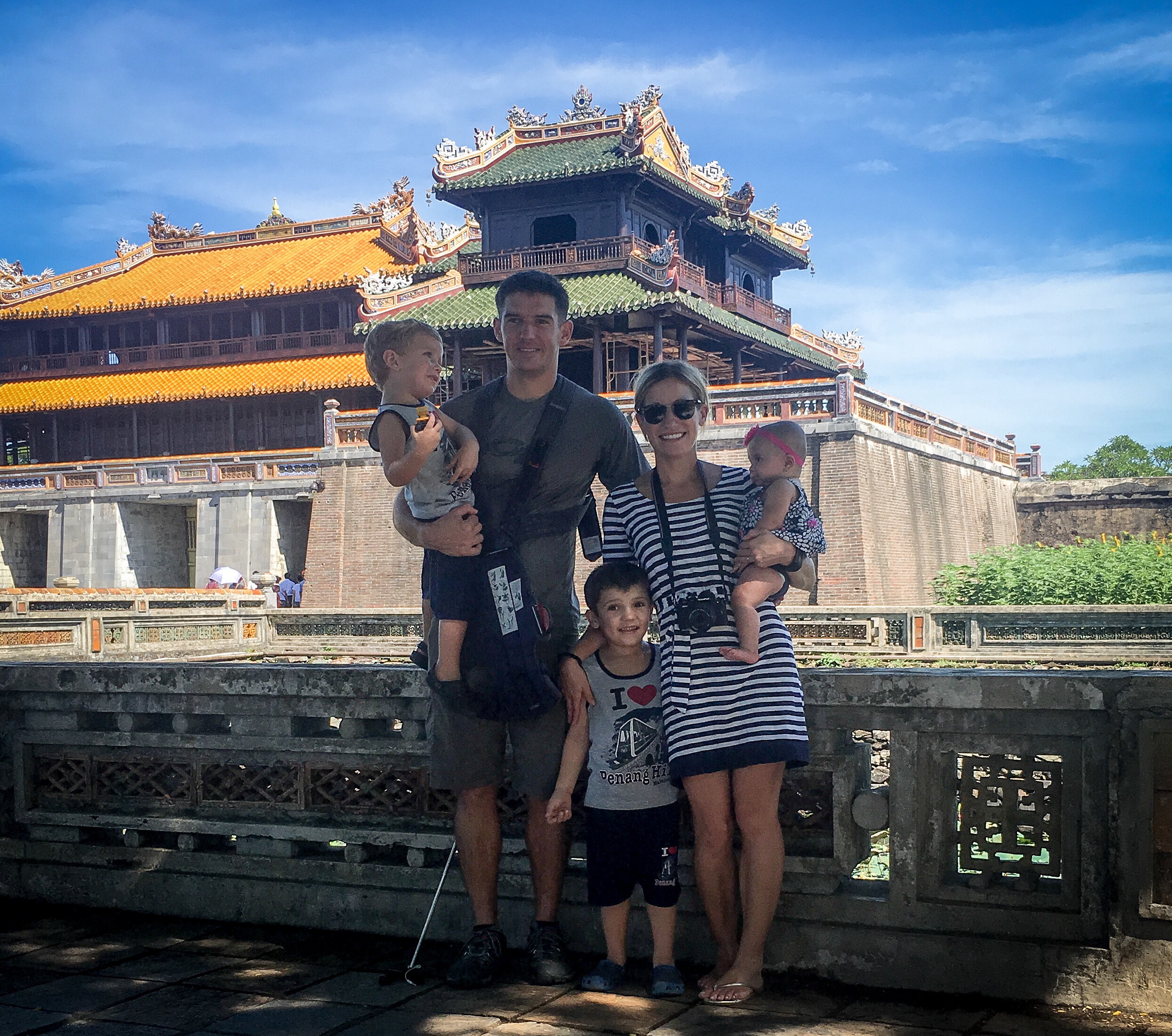
On our second day in Hue we all went to Hue’s Citadel complex. The Citadel is a large walled fortress, the interior of which once housed the “Purple Forbidden City” (or “Imperial City Hue”). The Forbidden City was built in 1802 and housed the emperor and his concubines. It was off limits to all other visitors. While the Citadel walls still stand, much of the interior Purple City was destroyed by bombing runs conducted by U.S. Marines during the Vietnam War. We really enjoyed the forbidden city-it was beautiful, quite and unique.
Hue, like Hoi An, was an easy walking city, with broad sidewalks and light traffic. There was an excellent market and shops along the river where we could eat authentic Vietnamese food on the water. It is a large but quite and beautiful town.






Last stop…Hanoi!

 Will Travel with Toddlers