
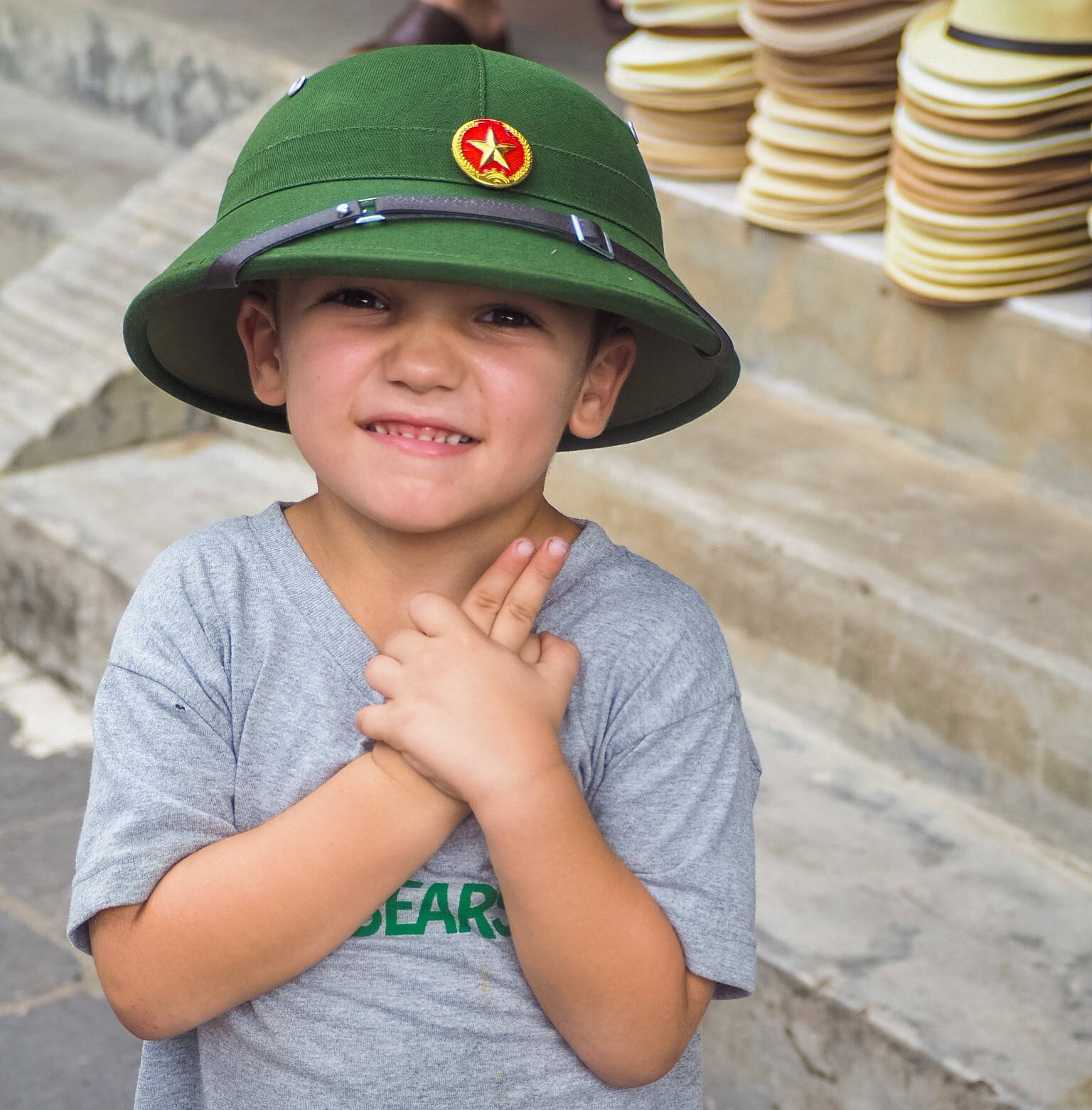
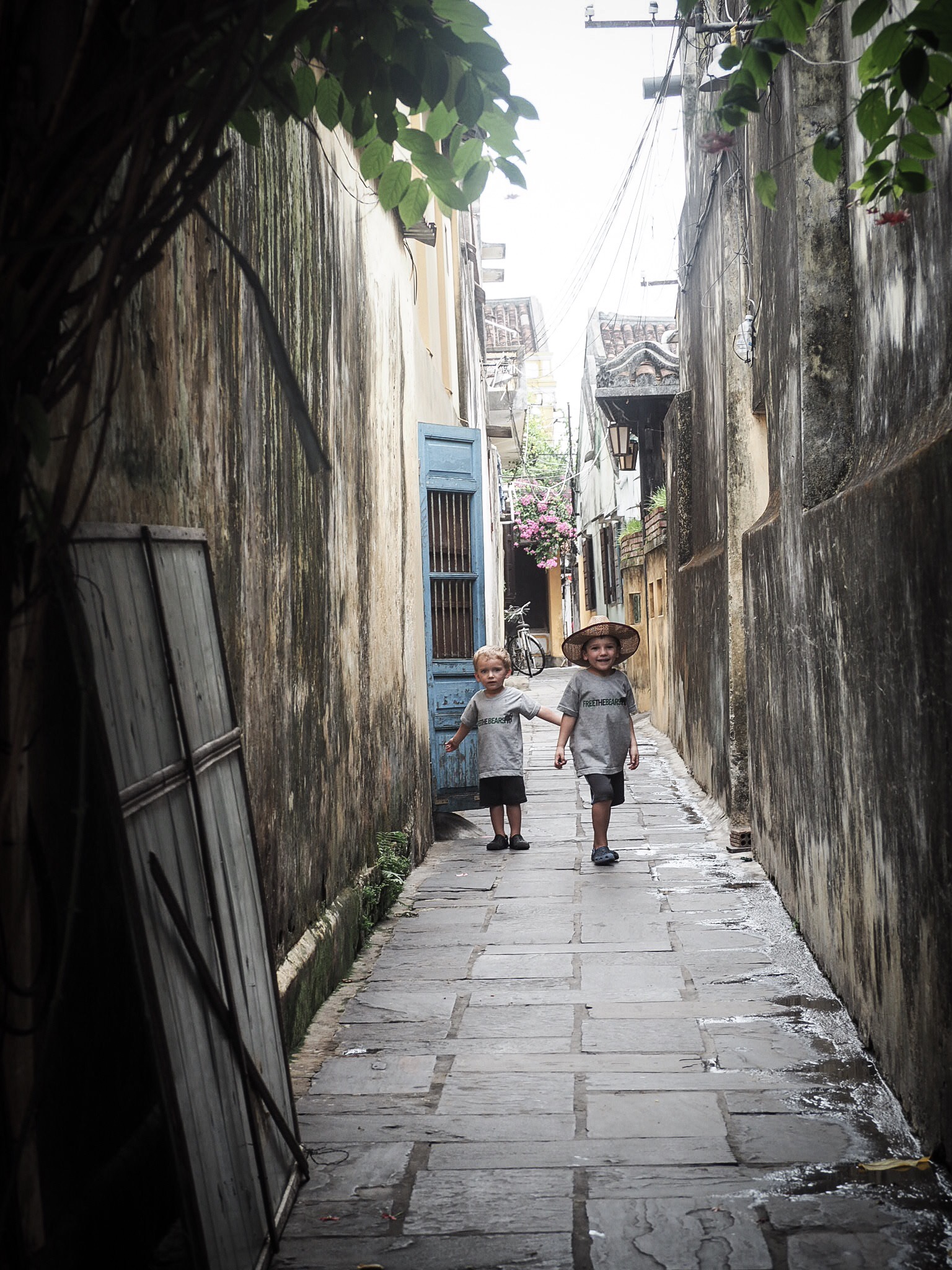
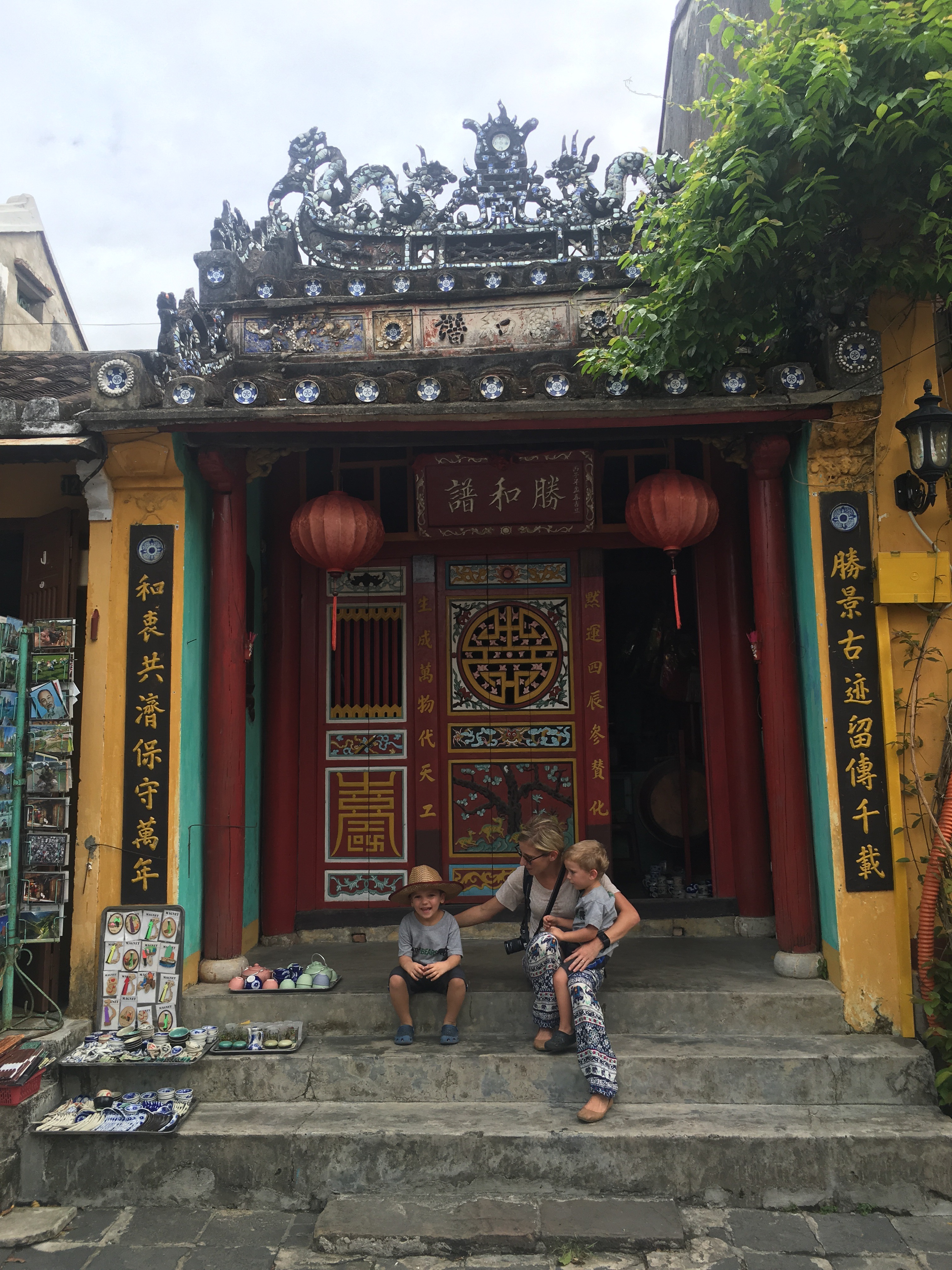
Our second stop in Vietnam, after Ho Chi Minh City, was Hoi An. Hoi An is similar to Luang Prabang, Laos & Georgetown, Penang, Malaysia in that it is known for its colonial architecture and laid back atmosphere. It was a great stop for us to rewind after sprinting around Ho Chi Minh. We spent two days walking along the streets of the ancient city, drinking and eating.
For those of you interested in the history of Hoi An, here is a brief except regarding the ancient port city, which is now designated a UNESCO World Heritage Site:
Hội An ( formerly known as Fai-Fo or Faifoo) is a a city in Vietnam, located on the coast of the Vietnam’s Central Sea in the Vietnam’s Central Sea region, in the Quảng Nam Province.
With approximately 120,000 inhabitants, Hội An is recognised as a World Heritage Site by UNESCO. Hội An Ancient Town is an exceptionally well-preserved example of a South-East Asian trading port dating from the 15th to the 19th century. Its buildings and its street plan reflect the influences, both indigenous and foreign, that have combined to produce this unique heritage site.
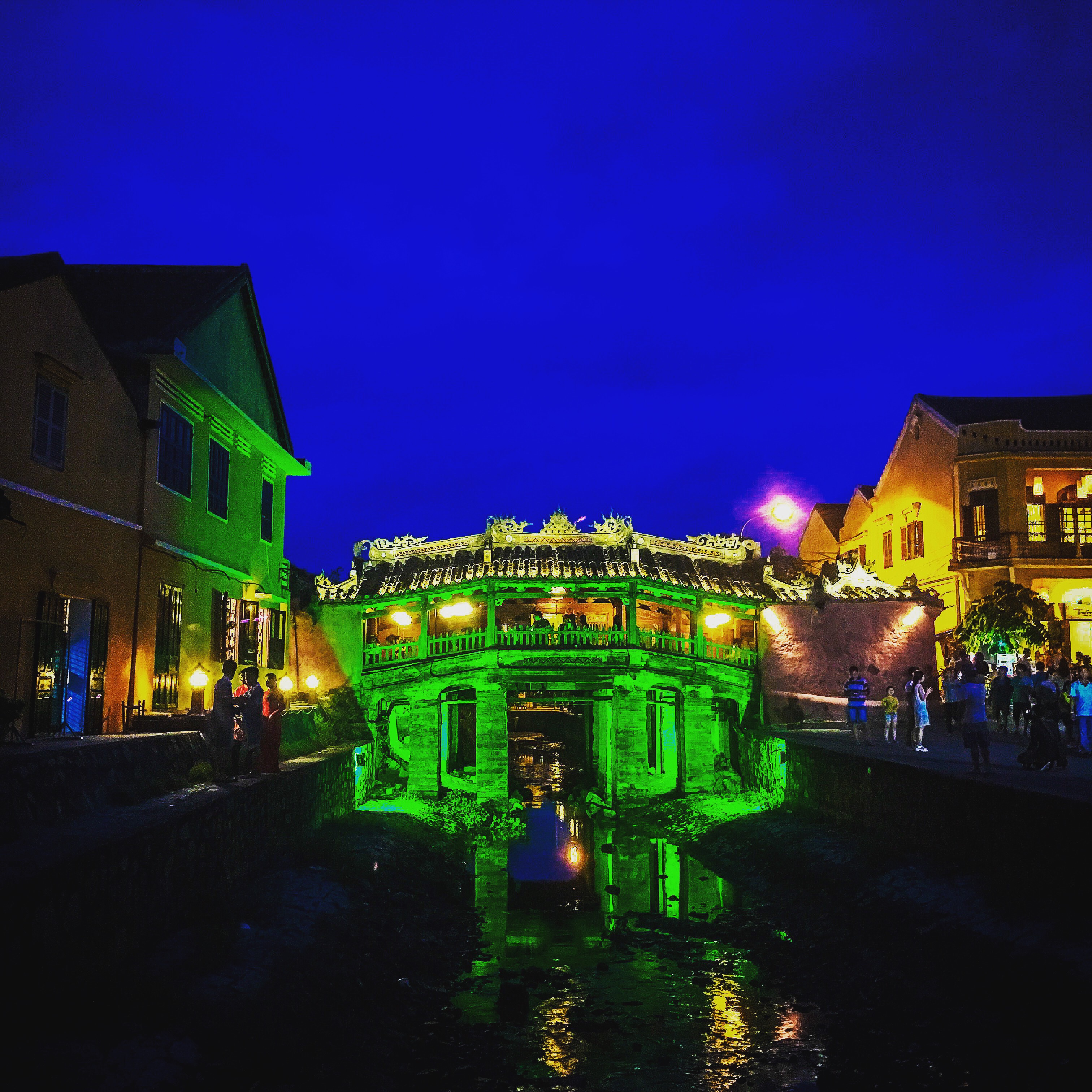
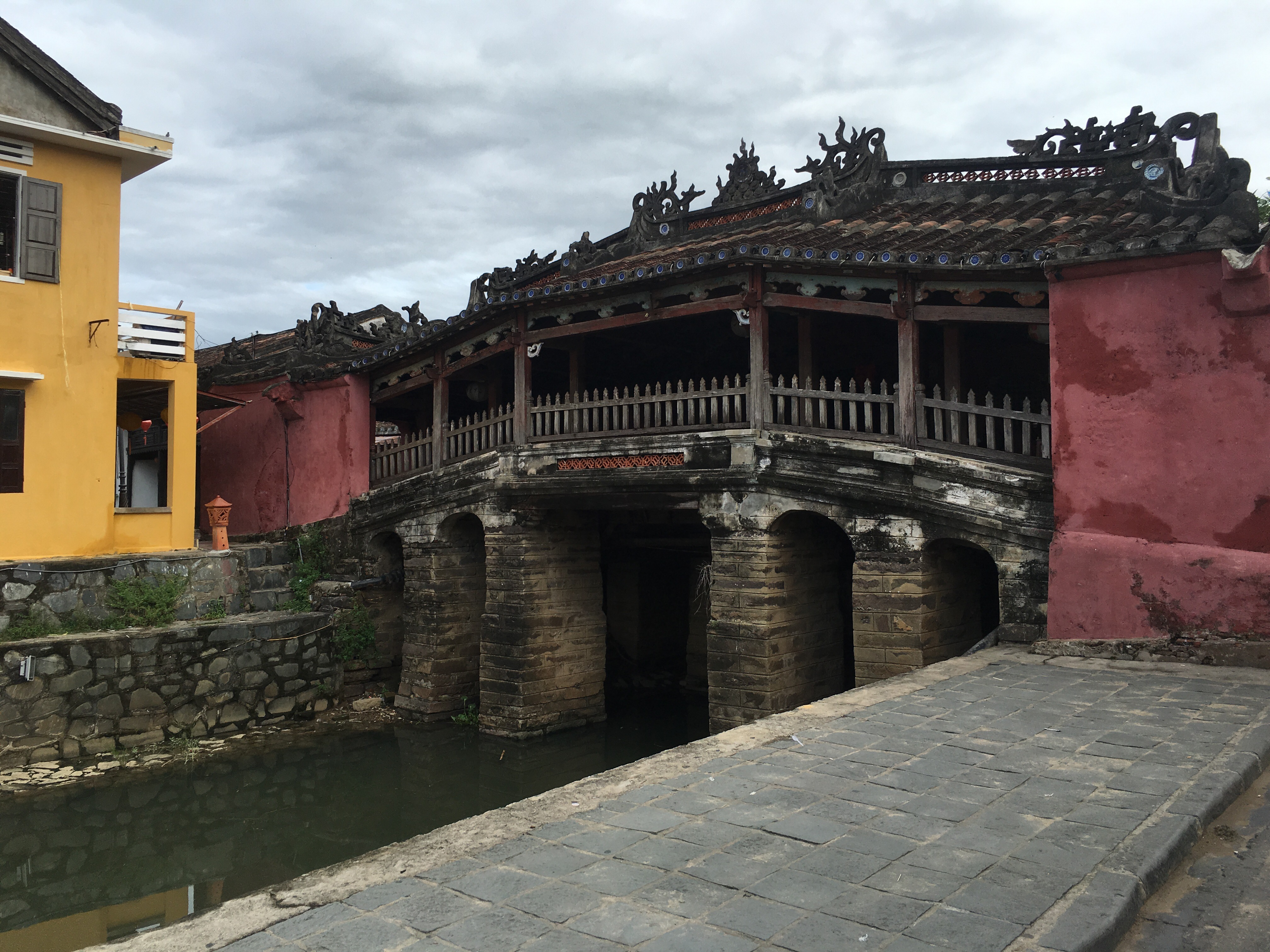
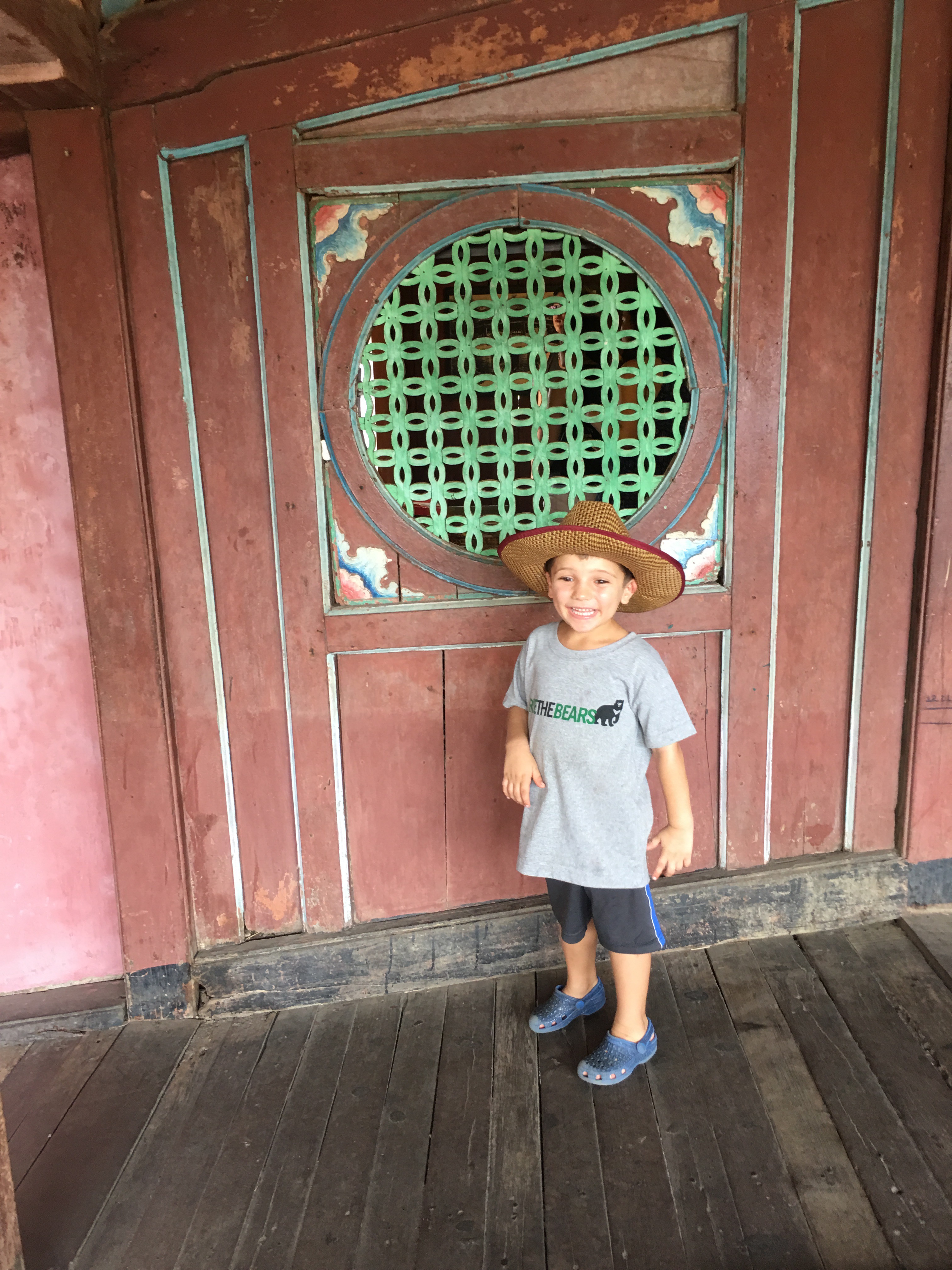
The city possessed the largest harbour in south-east Asia in the 1st century and was known as Lâm Ấp Phố (Champa City). Between the seventh and 10th centuries, the Cham (people of Champa) controlled the strategic spice trade and with this came tremendous wealth. The former harbour town of the Cham at the estuary of the Thu Bồn River was an important Vietnamese trading centre in the 16th and 17th centuries, where Chinese from various provinces as well as Portuguese, Japanese, Dutch and Indians settled. During this period of the China trade, the town was called Hai Pho (Seaside Town) in Vietnamese. Originally, Hai Pho was a divided town with the Japanese settlement across the “Japanese Bridge” (16th-17th century). The bridge (Chùa cầu) is a unique covered structure built by the Japanese, the only known covered bridge with a Buddhist temple attached to one side.
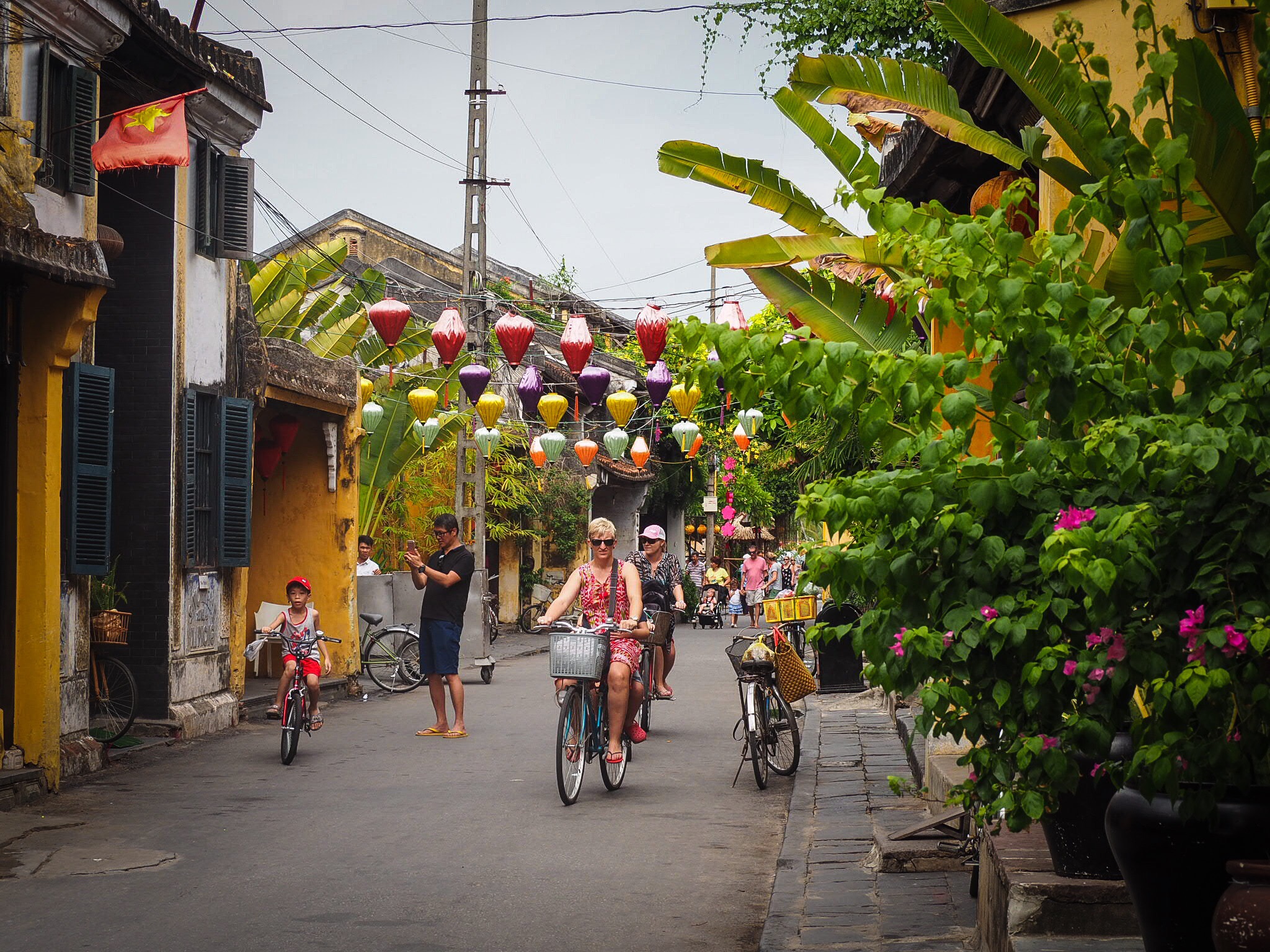
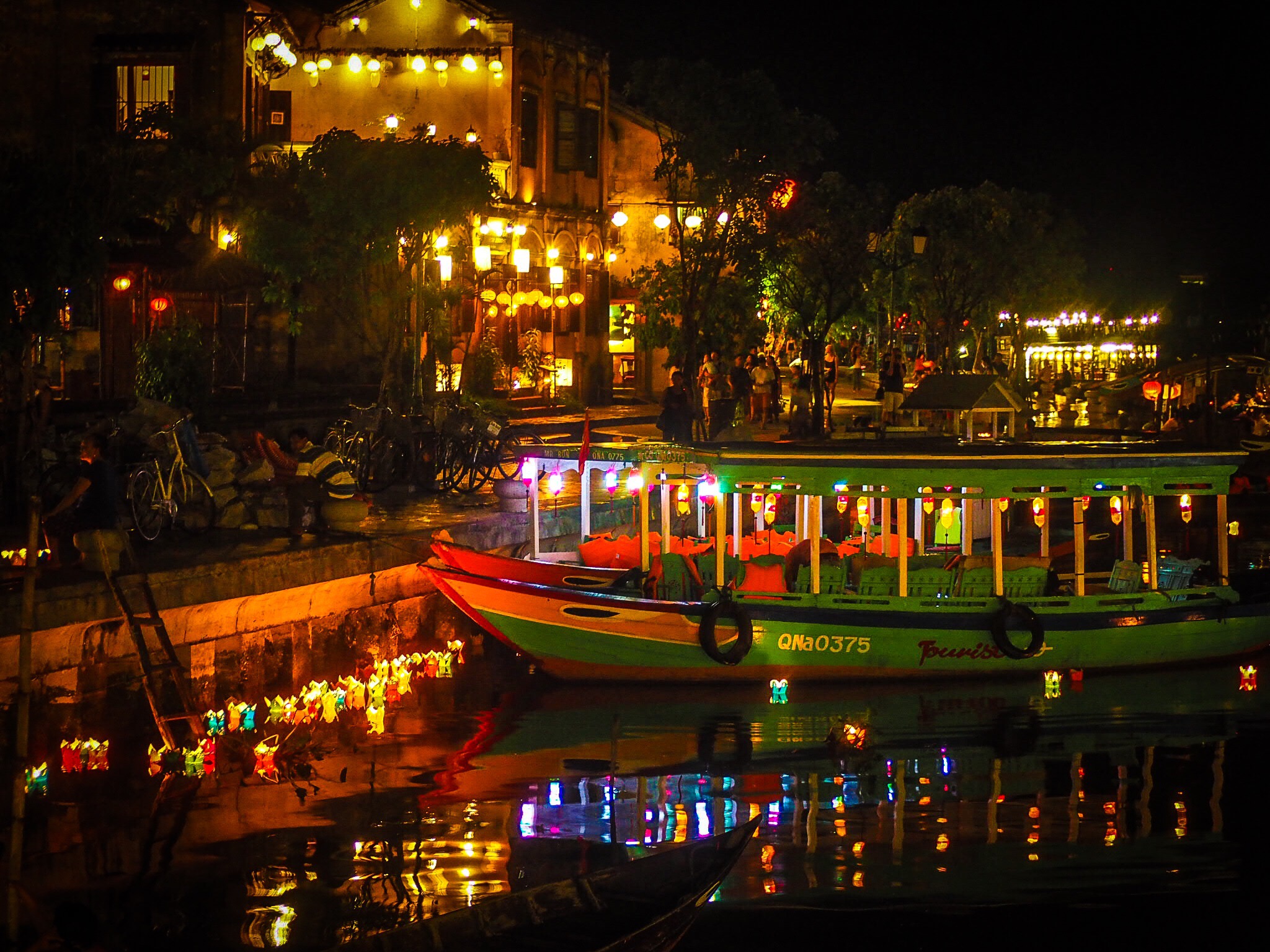
The great thing for families visiting Hoi An is that the streets are extremely stroller friendly. The center of the city is small and closed to traffic making the city easy to access by foot or bike. While bicycle rental are available throughout the city – do be warned that most do not have child seats. We were unable to find any bikes with child seats during the two days we were in the city but had a fine time touring the city by foot (we would have had an even better time had we not left our stroller at the airport). Hoi An has a very lively night scene, many restaurants and tons of shops. Hoi An is also near some superb beaches-making it a popular place to dive and snorkel (if you get the chance to travel without children).











 Will Travel with Toddlers