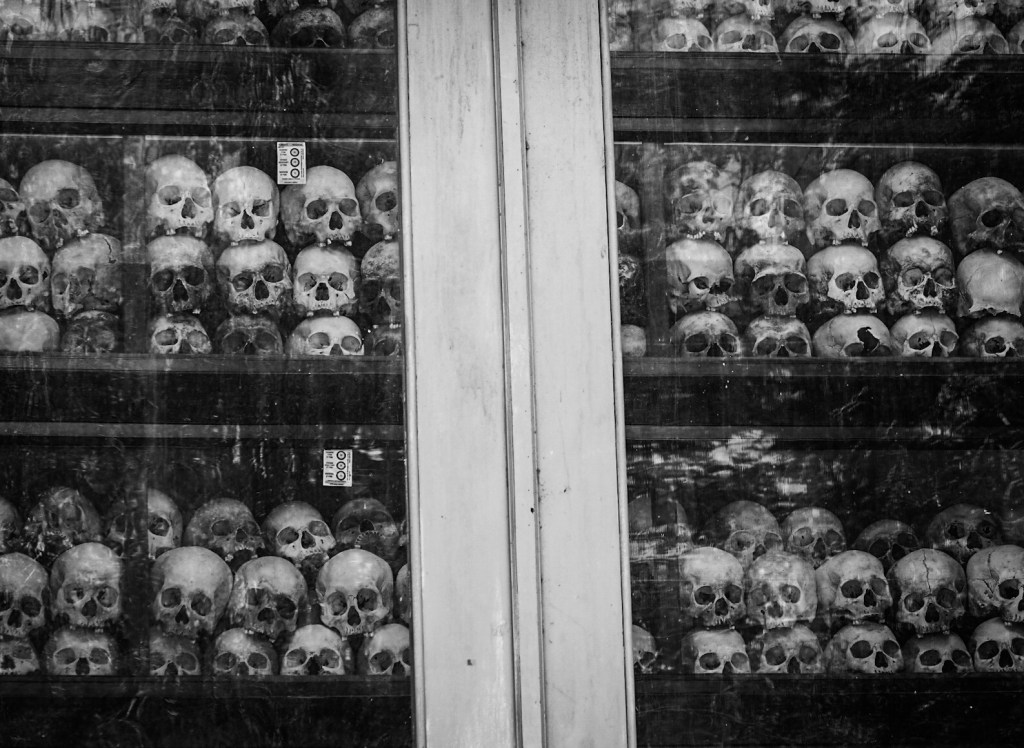
“The place people enter and never leave.”
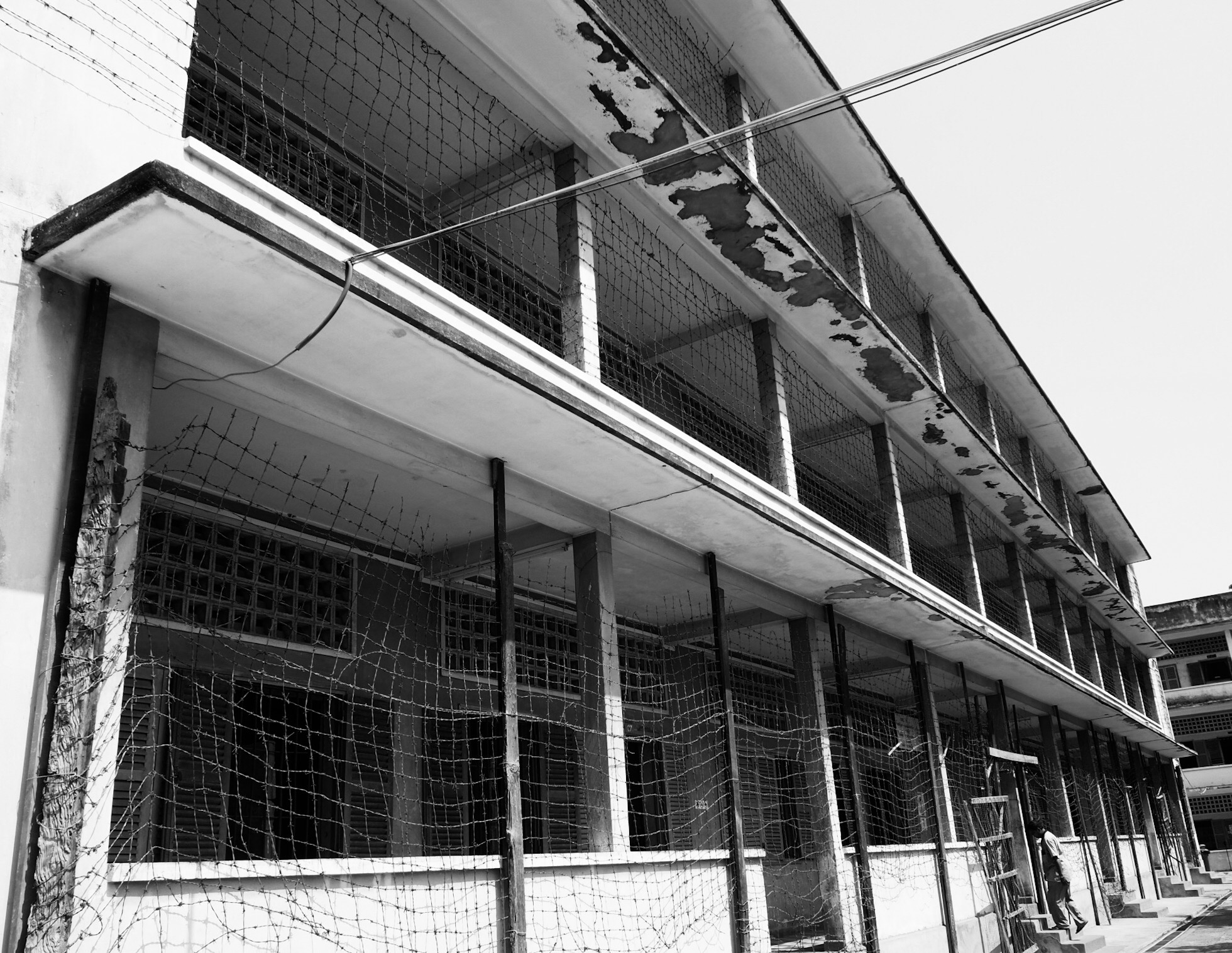
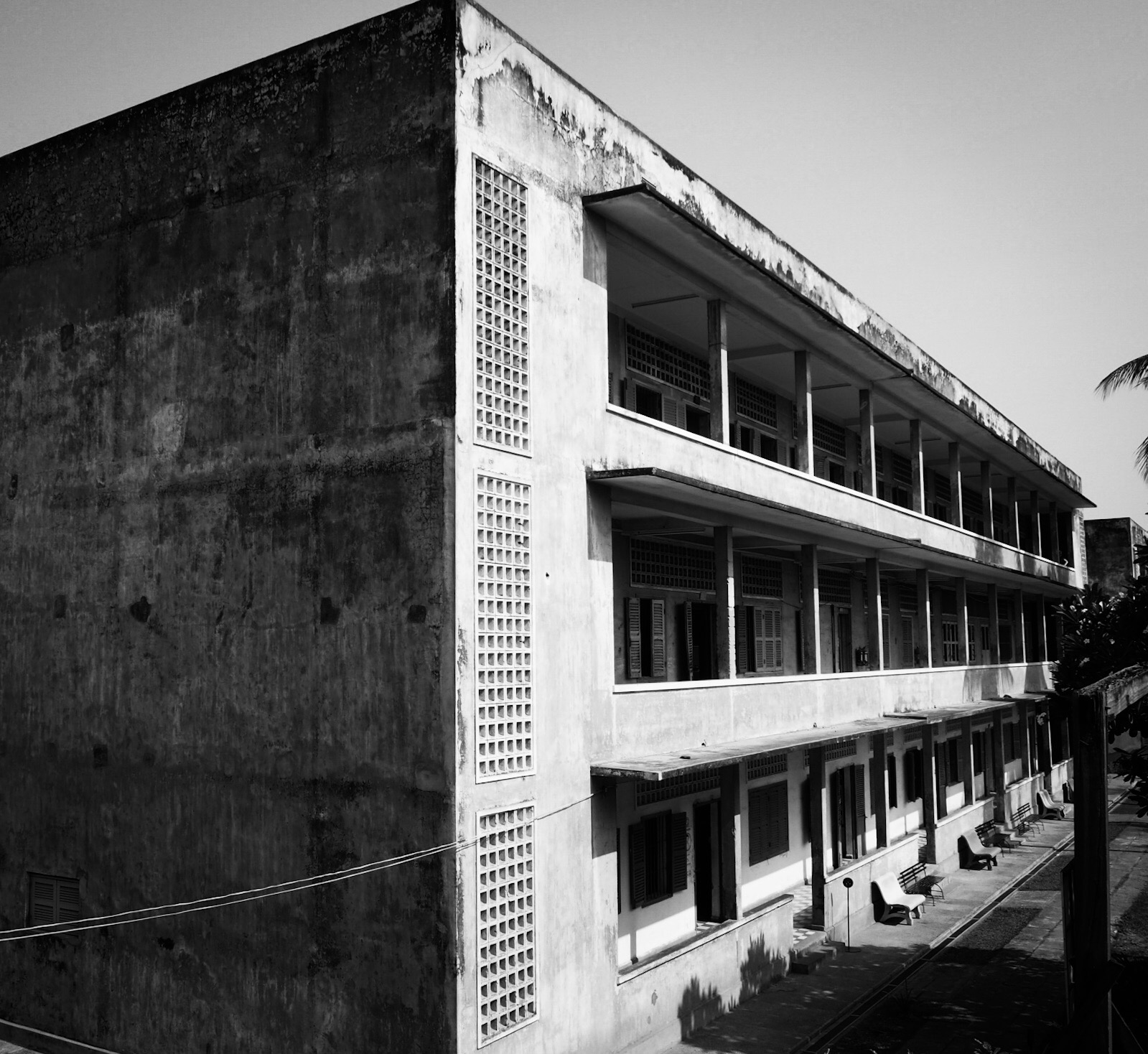
“When pulling out weeds, remove them roots and all.”

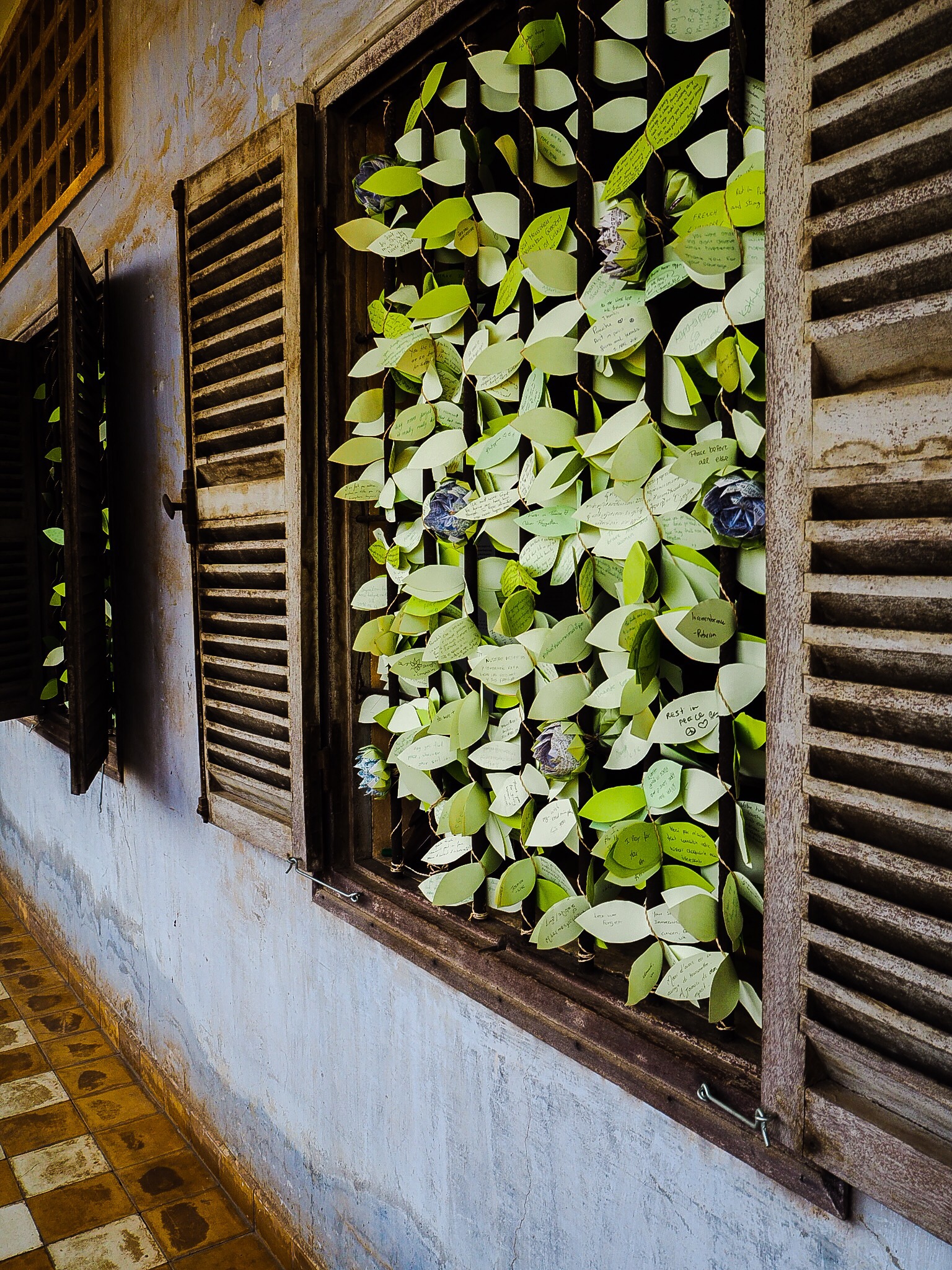

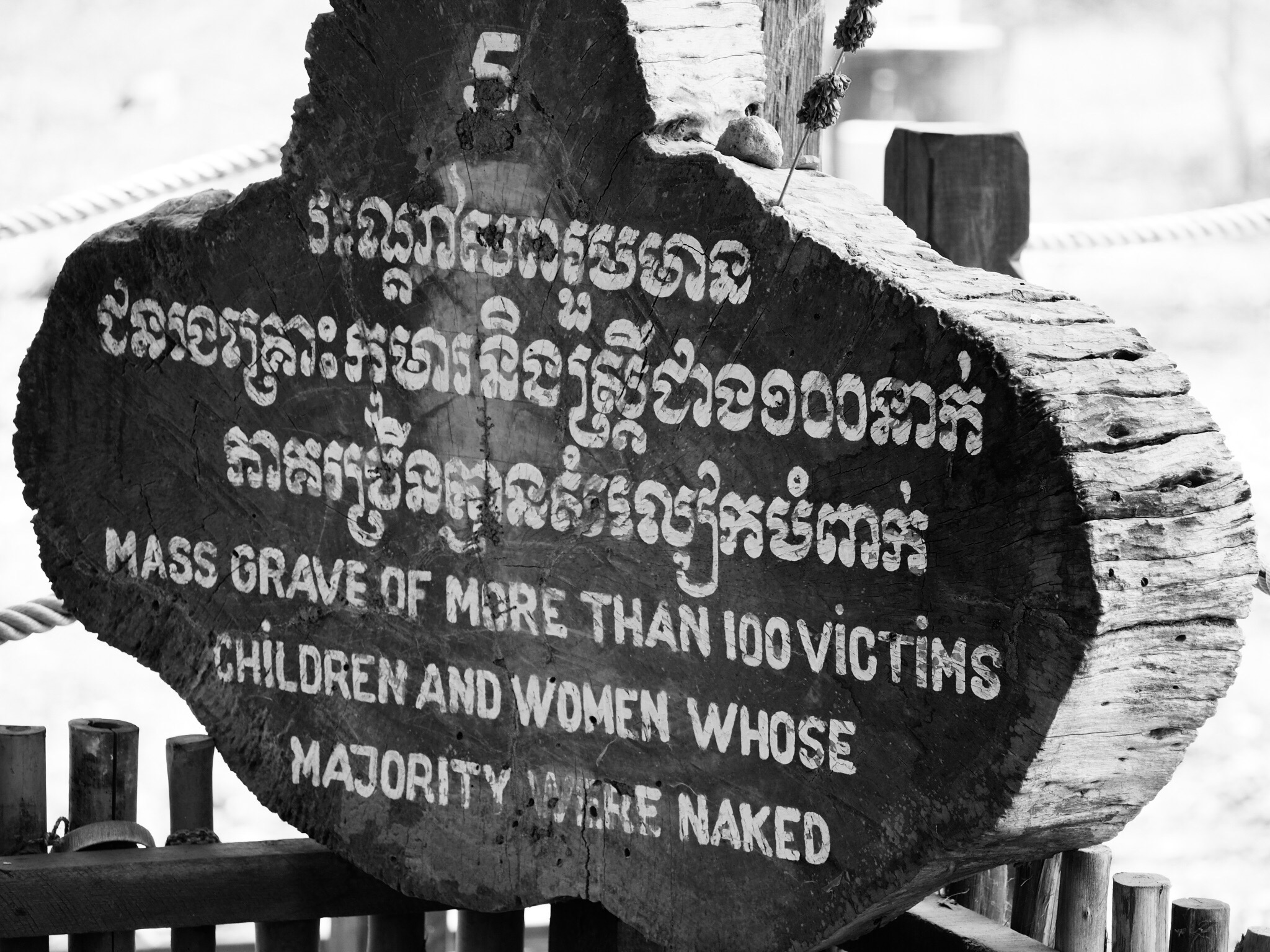

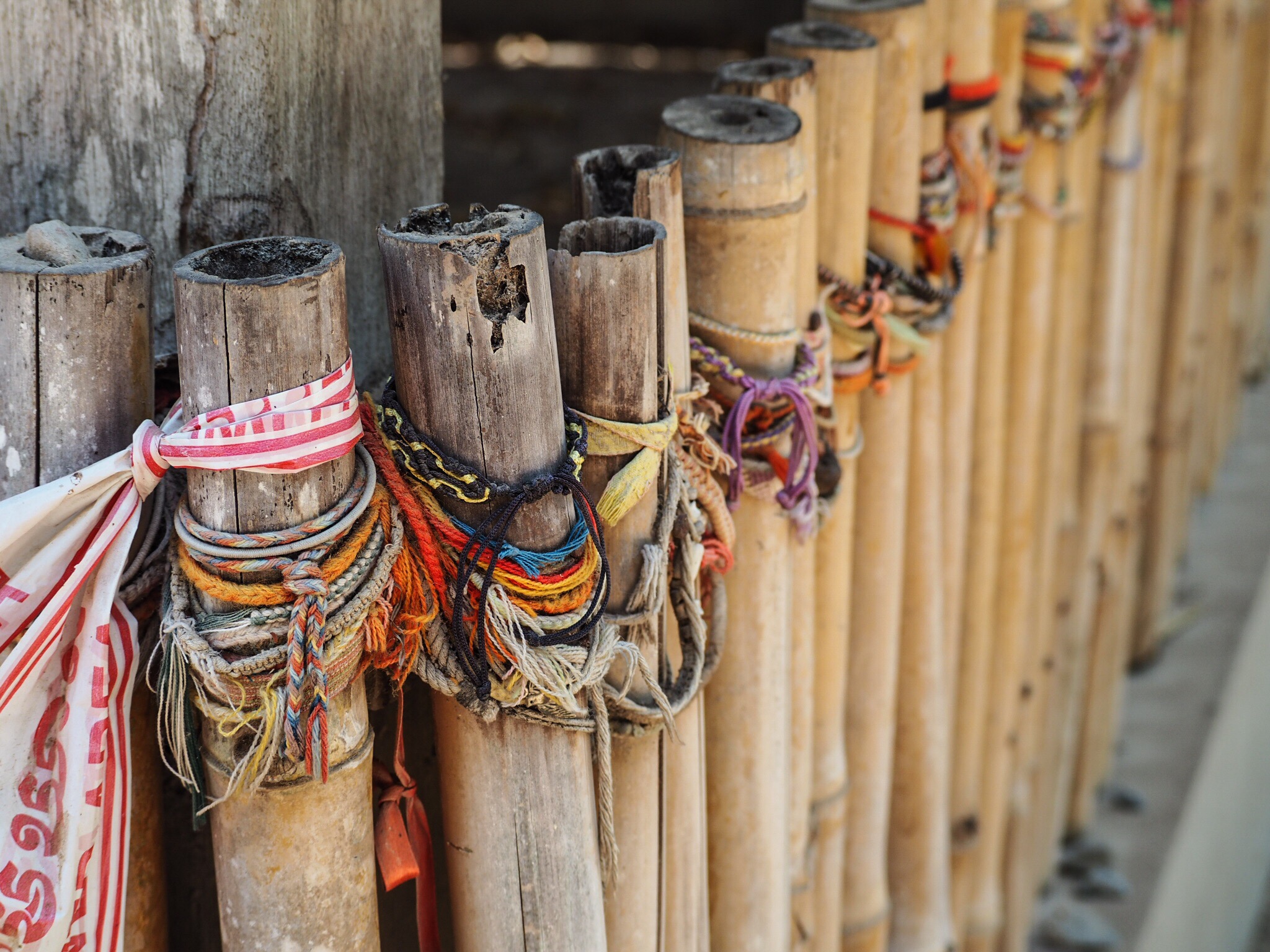


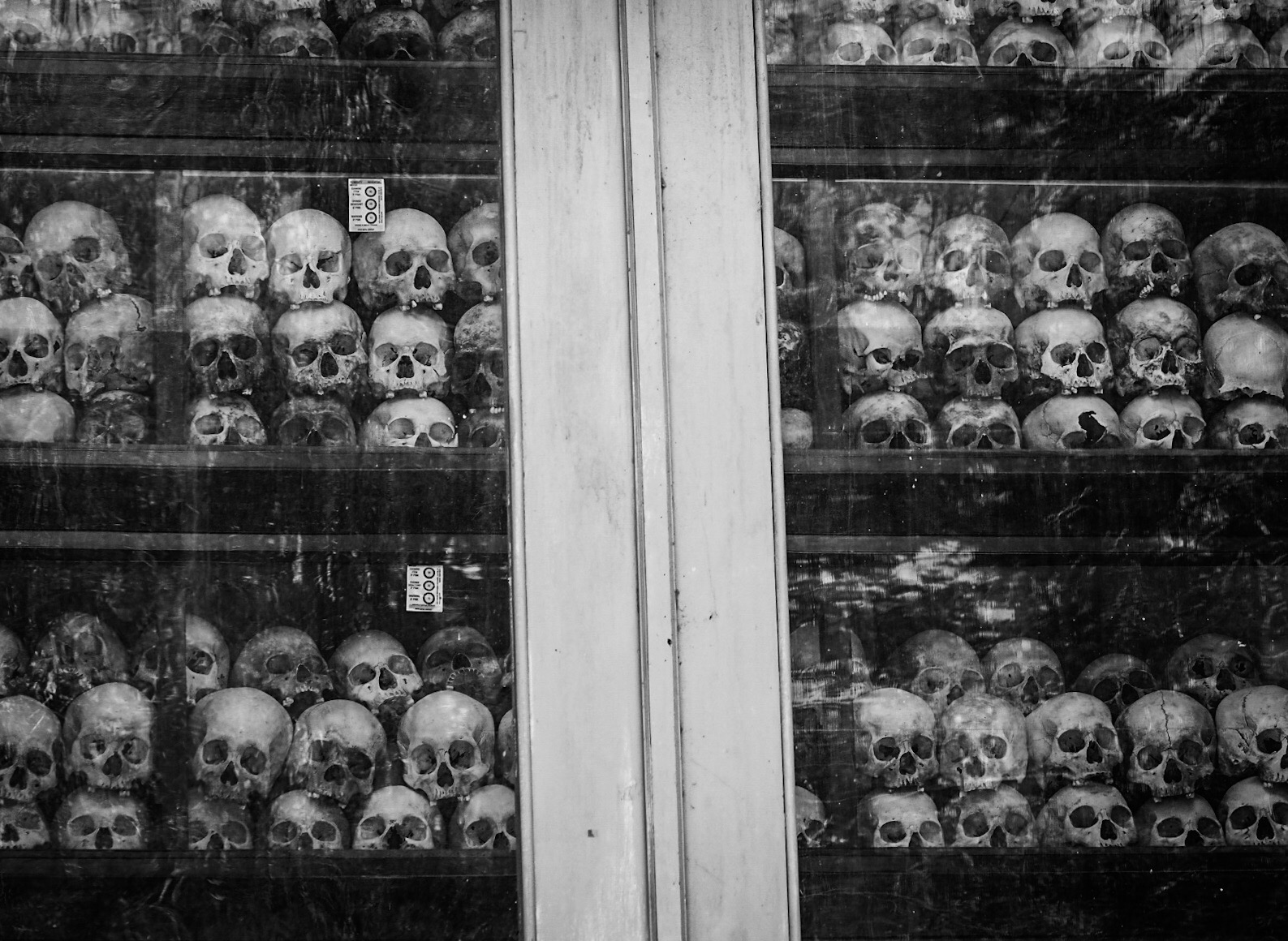
“To keep you is no gain. To lose you is no loss.”
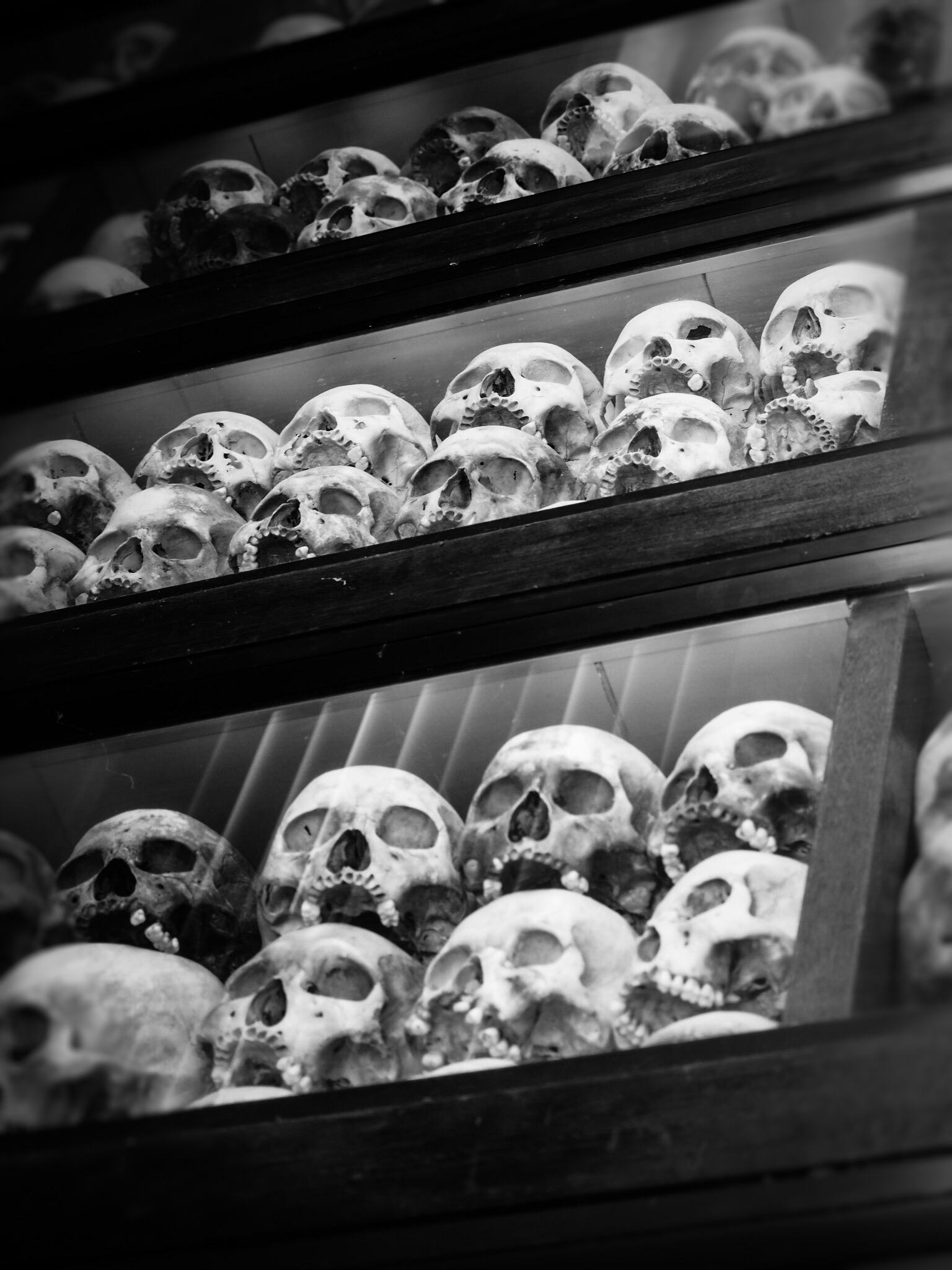
“He who protests is an enemy; he who opposes is a corpse.”
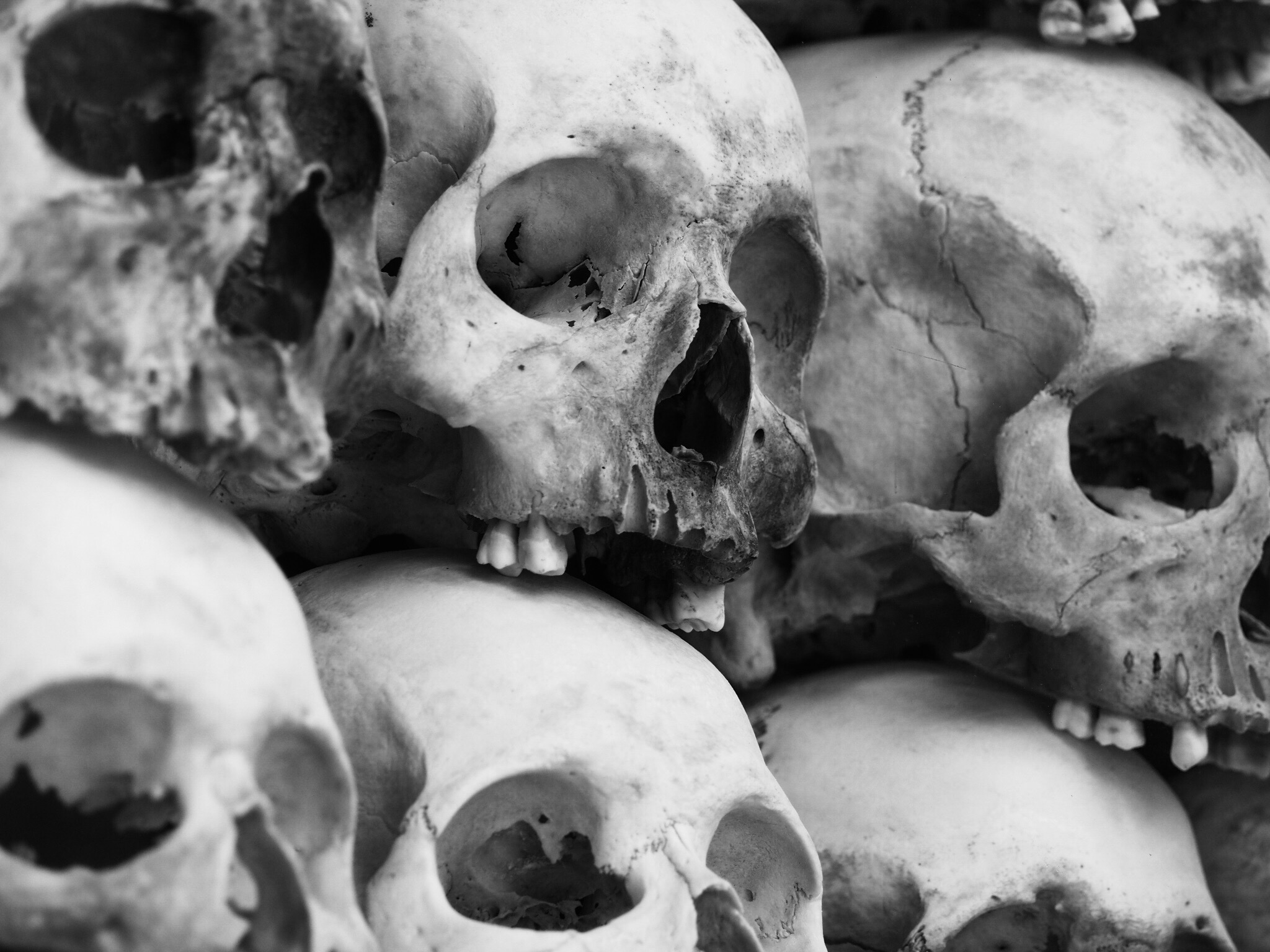
On April 17, 1975 the Khmer Rouge marched into the city of Phnom Penh and established a brutal communist, totalitarian regime in Kampuchea (Cambodia). The new government was based on a perverted version of communism that sought to take the Khmer society back to a basic form of communal subsistence agriculture. The new ideology espoused the elimination of the elite and educated classes, the eradication of any religious belief, and the establishment of a farm based, rural society. Within 48 hours of entering Phnom Penh, the Khmer Rouge had closed schools, hospitals, and churches. They immediately began relocating people from the city centers to the rural provinces, splitting up and dislocating entire families. The government was ruled by a secret committee called the Angkar or “the organization.” Over the three years and eight months that the Angkar were in power it is estimated that over 3 million people were killed through the systematic extermination of selected individuals, groups and families and through large scale disease and starvation brought about by the Angkar’s archaic agricultural philosophy. Entire generations were erased. The total population of Cambodia at the time was 8 million people – almost of half the population of an entire country was decimated in less than 5 years.
The Kingdom of Cambodia, in remembrance, has preserved one of the 200 prisons used by the Khmer Rouge to carry out their violent reorganization of the Khmer society. The Tuol Sleng (S-21) prison is located in the center of Phnom Penh and was utilized as a high school before the Khmer Rouge converted it to a prison and torture camp. The government of Cambodi has also preserved the Choeng Ek “killing fields” located 40 minutes outside the city. The killing fields were utilized to carry out the Organizations mass murder campaign after the killing at Tuol Sleng grew too great. The killing fields contain the remains of thousands of people killed by the Angkar regime. At Choeng Ek, about 90 of 150 mass graves have been exhumed. The work to exhume the remaining graves and to bring the perpetrators of the genocide to justice continues to this day.
S-21 and the killing fields stand as a stark reminder of the violence that can be rendered against man by his fellow man. These monuments demonstrate man’s capacity to engage in and entertain extreme acts of violence and inhumanity.
“Power and violence are opposites; where the one rules absolutely, the other is absent. Violence appears where power is in jeopardy, but left to its own course it ends in power’s disappearance.”
 Will Travel with Toddlers